
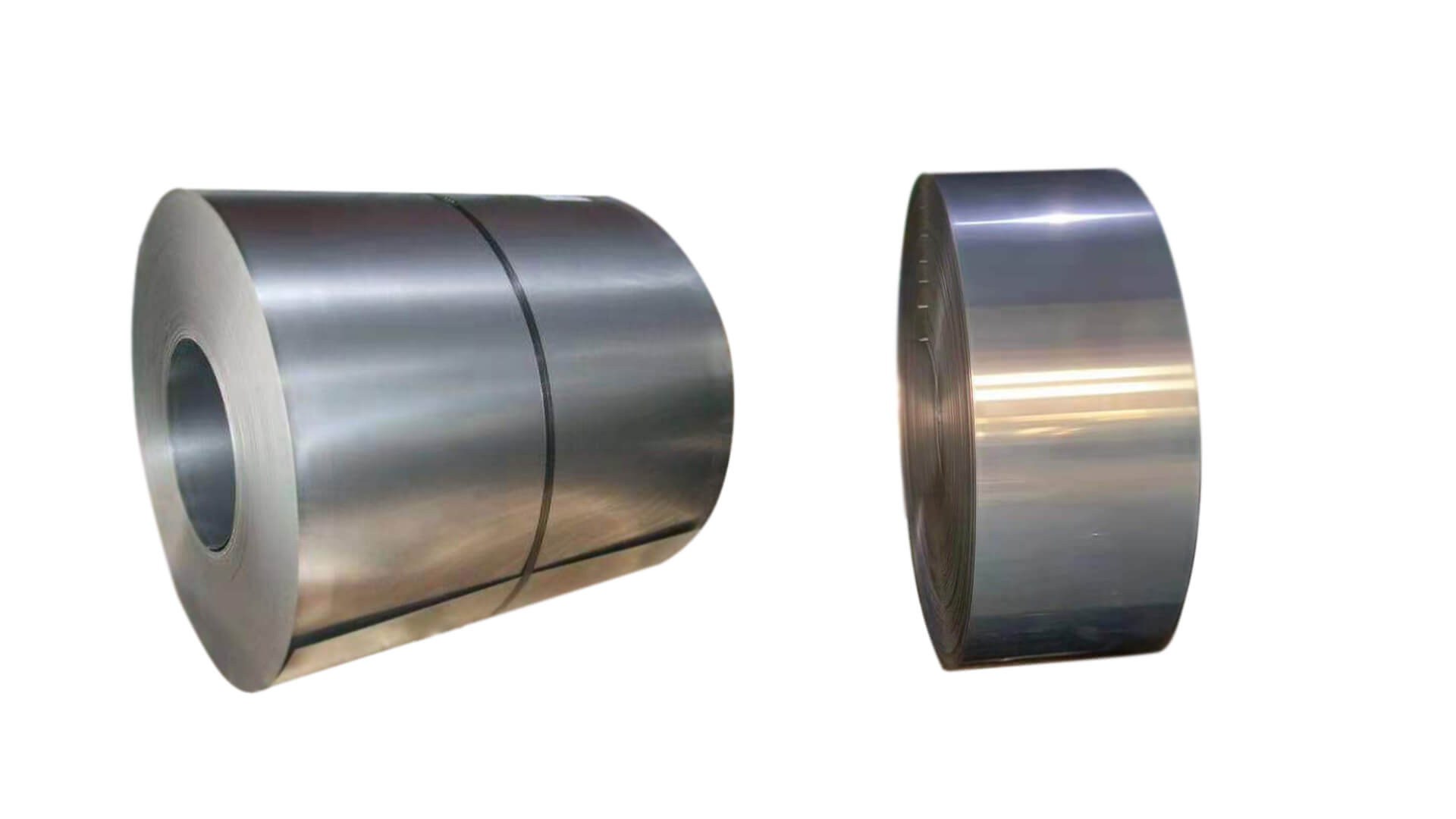
Stainless steel coils are the starting material for a remarkably wide range of everyday products. Because the metal resists corrosion, is easy to clean and can be finished in many looks, processors slit, cut, stamp and form coils into finished goods across almost every industry.
Kitchenware and appliances: sinks, worktops, cookware, refrigerator panels, washing machine drums and microwave cavities are typically made from 201 or 304 grade coils, usually in 2B or BA finish.
Construction and decoration: elevator panels, escalators, curtain walls, ceilings, door frames and column cladding use 304 sheets in 2B, No.4, HL or 8K finish, while color sheets in gold, rose gold, black or blue add decorative accents to hotels, shops and office buildings.
Automotive and transportation: exhaust systems, trim, fuel tanks and structural parts draw on ferritic grades such as 409 and 430 for their heat resistance and formability.
Industrial and chemical equipment: tanks, pipes, heat exchangers and pressure equipment rely on 304L and 316L for corrosion resistance, with mill test certificates verifying chemical composition and mechanical properties.
Food and beverage: brewing, dairy and pharmaceutical equipment use food-grade 304 and 316L surfaces that are easy to sanitize.
A few practical notes for buyers: a standard stainless steel coil weighs 3 to 10 tons depending on thickness and width; cold rolled coils below 3 mm give the best surface quality; and hot rolled material above 3 mm is more economical for structural work. Choosing the right grade and finish for the application - rather than simply the highest grade - keeps costs under control while guaranteeing service life.